
In today’s rapidly evolving educational landscape, the role of teachers extends far beyond traditional instruction. To meet the changing needs of learners, educators must continuously upgrade their skills, adopt modern teaching methodologies, and align classroom practices with strategic academic planning. Recognizing this need, Kathmandu Bernhardt School & College successfully organized the “School Based Integrated Planning & Training 2083”— a comprehensive professional development program designed to empower teachers and enhance classroom effectiveness at Kathmandu Bernhardt.
This training initiative reflects Kathmandu Bernhardt’s commitment to academic excellence, innovation, and continuous teacher development at Kathmandu Bernhardt. By focusing on both planning and pedagogy, the program aimed to bridge the gap between theory and real-world classroom implementation.
Objectives of the Training
The primary goal of the training program was to strengthen the overall teaching-learning process through structured planning and modern instructional approaches. The key objectives included:
- Enhancing in-house academic planning and preparation
- Promoting student-centered teaching methodologies
- Improving classroom engagement and learning outcomes
- Aligning teaching practices with current educational standards
- Encouraging collaboration and reflective practices among teachers
By addressing these objectives, the training ensured that educators are better equipped to deliver meaningful and impactful learning experiences.
Training Highlights
The School Based Integrated Planning & Training 2083 featured a series of insightful sessions that focused on practical, classroom-oriented strategies. Rather than limiting discussions to theoretical concepts, the program emphasized real-life application, enabling teachers to directly implement what they learned.
Key highlights of the training included:
- Modern Pedagogical Approaches: Teachers explored innovative teaching methods that prioritize student engagement, critical thinking, and active participation.
- Integrated Planning Techniques: Sessions focused on how to design effective lesson plans that align with curriculum goals and student needs.
- Interactive Learning Environment: The training encouraged active participation through discussions, group activities, and experience sharing.
- Practical Classroom Strategies: Educators gained hands-on insights into improving classroom management, assessment techniques, and delivery methods.
These highlights made the training highly relevant, engaging, and impactful for all participants.
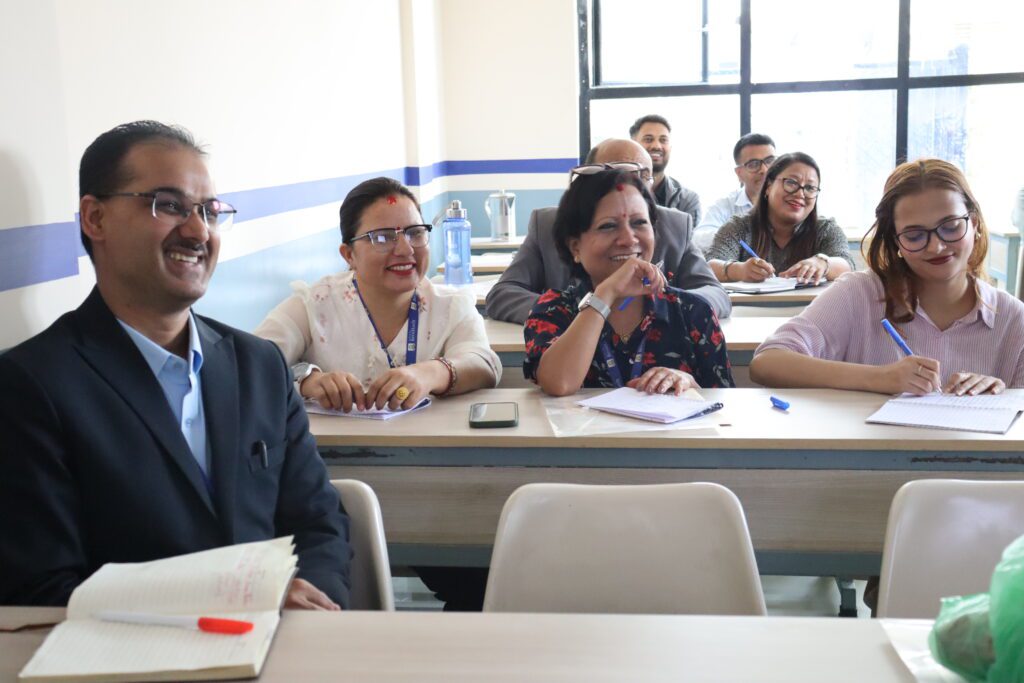
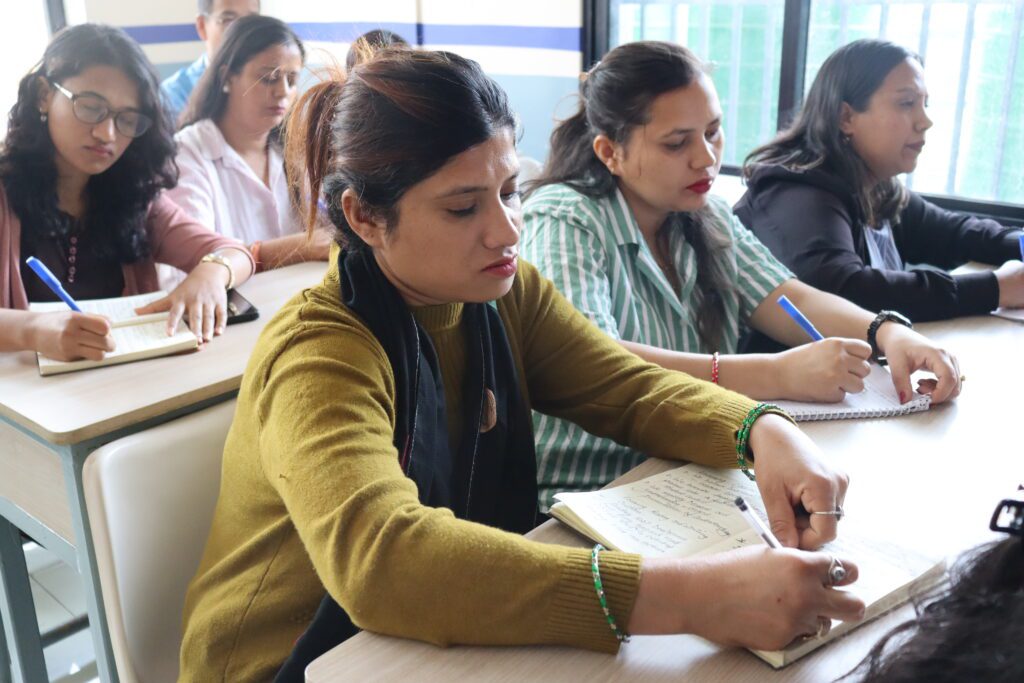
Key Facilitator: Mr. Nab Raj Adhikari
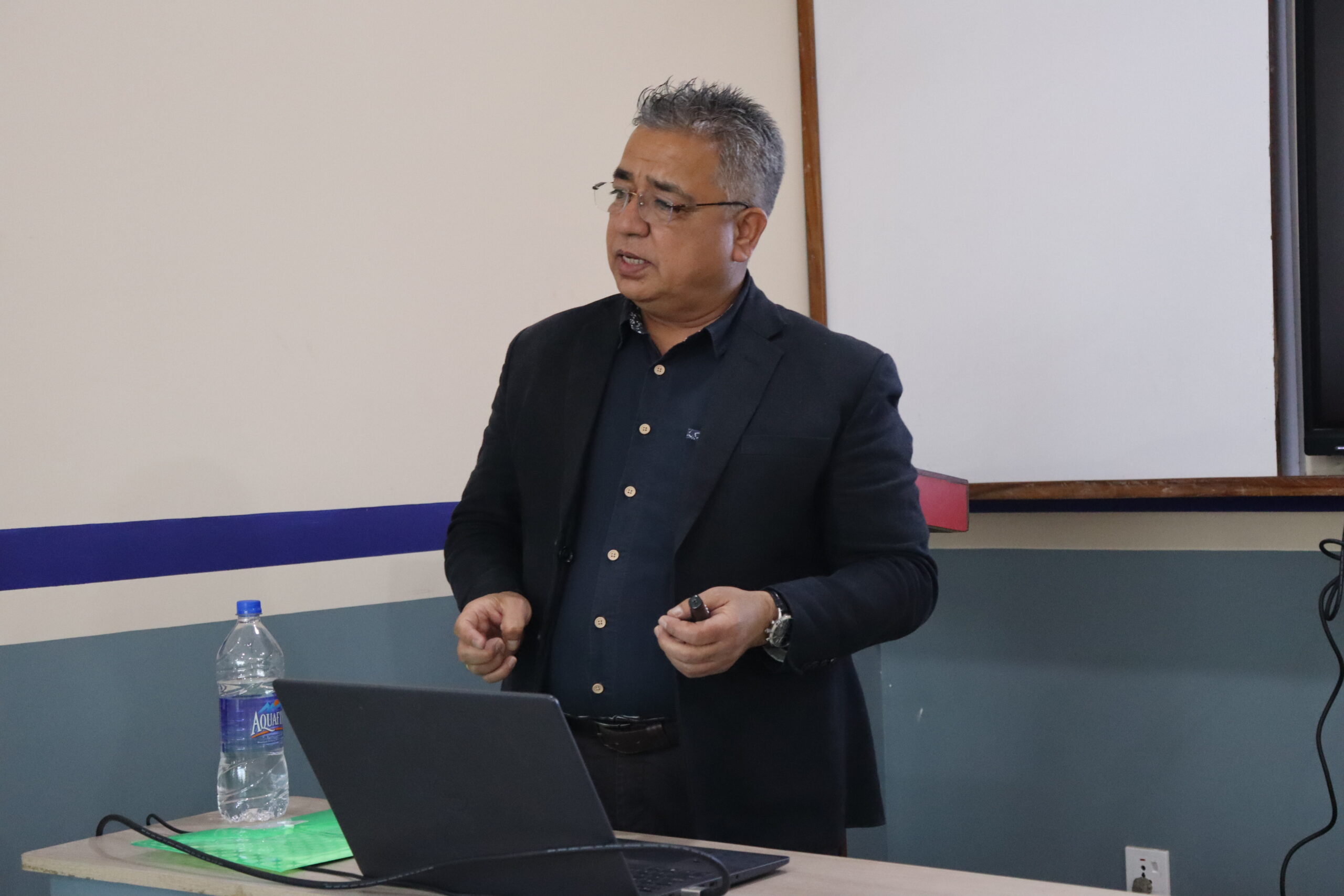
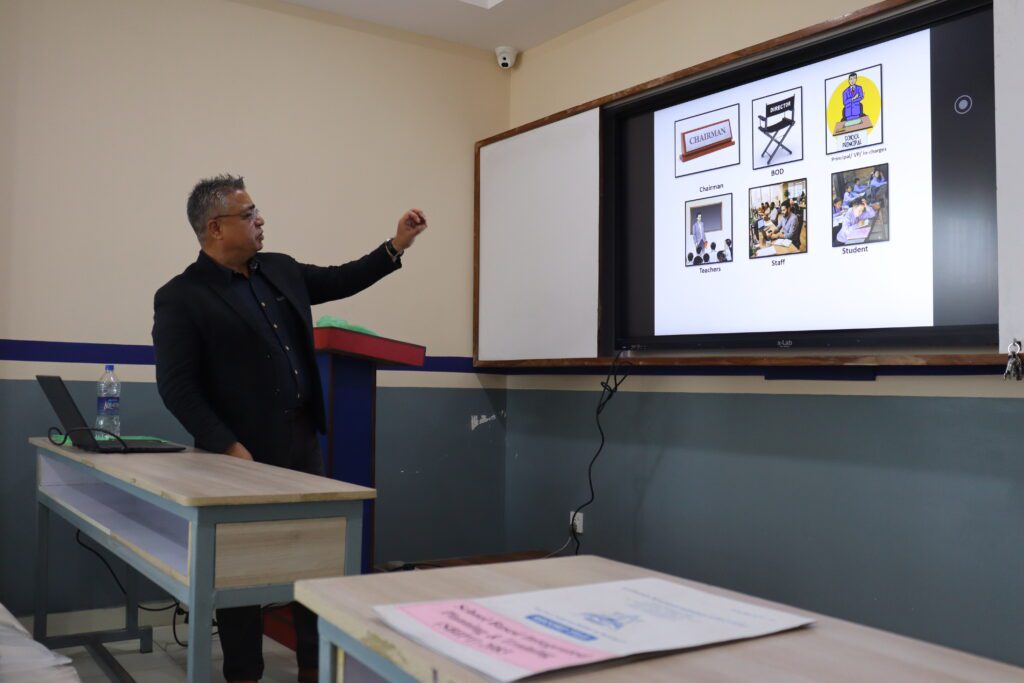
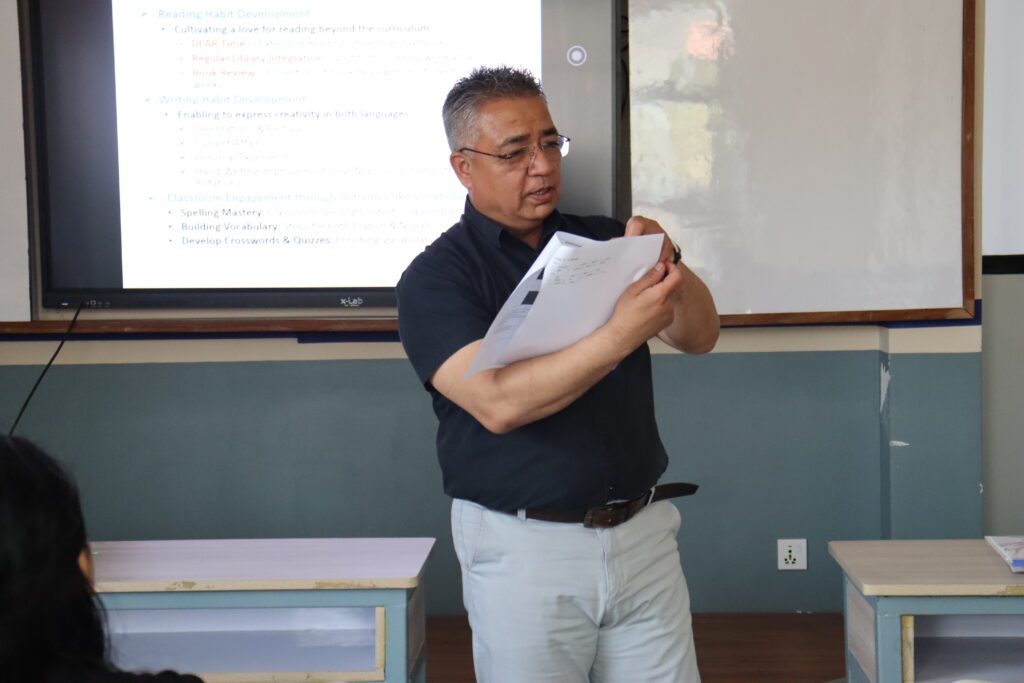
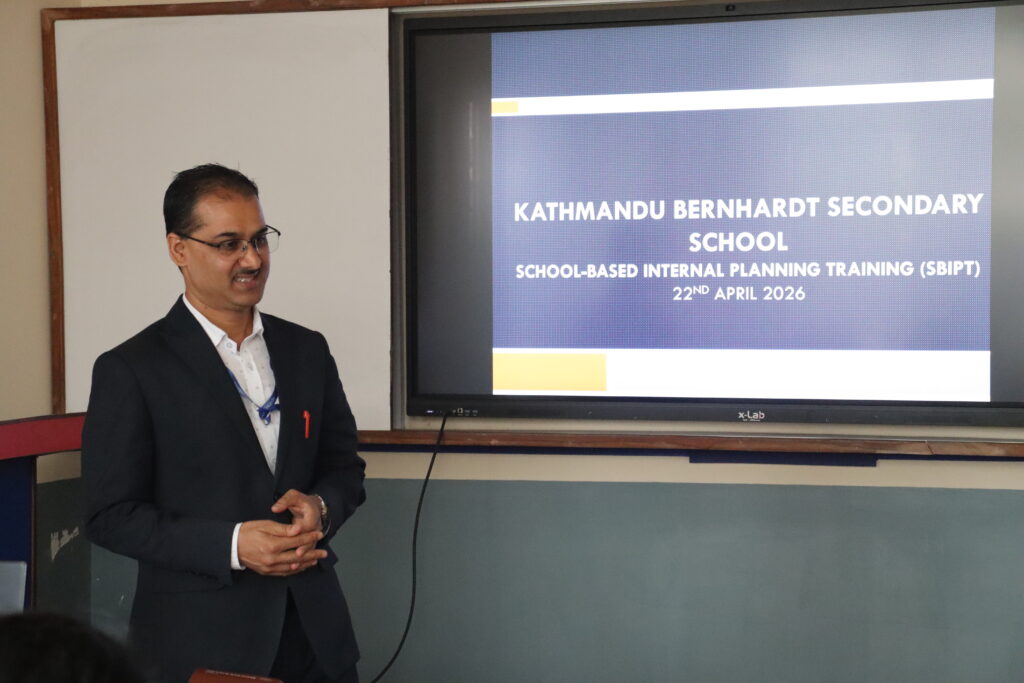
A major strength of the training program was the expert facilitation by Mr. Nab Raj Adhikari, Managing Director of Kathmandu Bernhardt. With his deep understanding of modern education systems and practical teaching methodologies, he guided the sessions with clarity, relevance, and inspiration.
Mr. Adhikari’s sessions were focused on:
- Bridging the gap between theory and practice
- Introducing innovative and adaptable teaching strategies
- Encouraging teachers to think critically about their classroom approaches
- Providing actionable insights that can be immediately implemented
His engaging delivery style and practical orientation ensured that teachers not only understood the concepts but also felt confident in applying them in their classrooms.
Teacher Participation & Experience
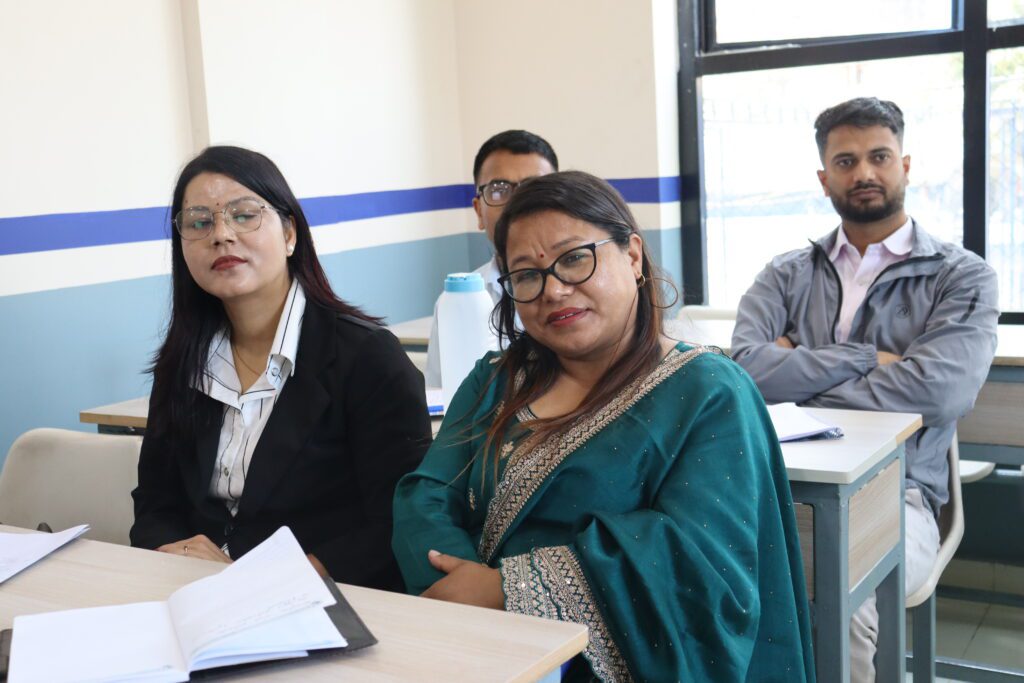
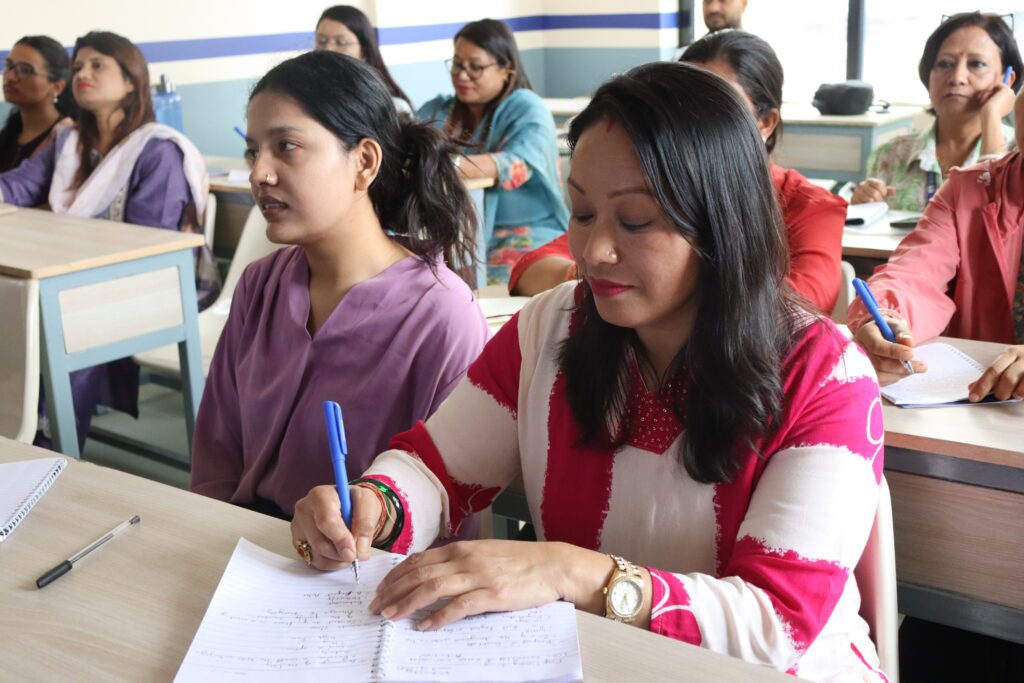
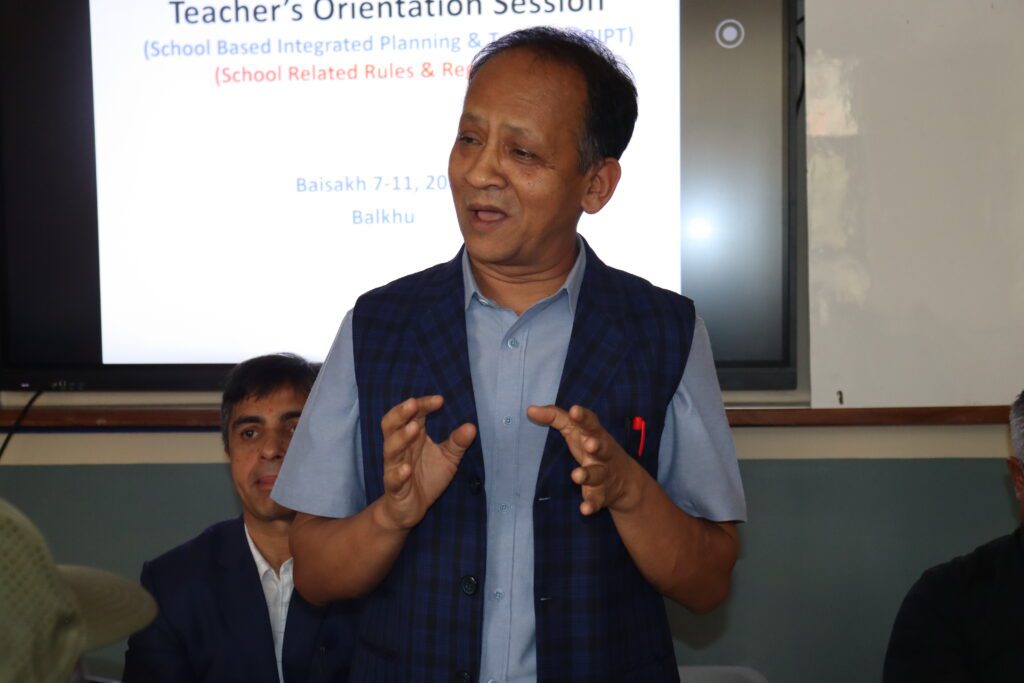
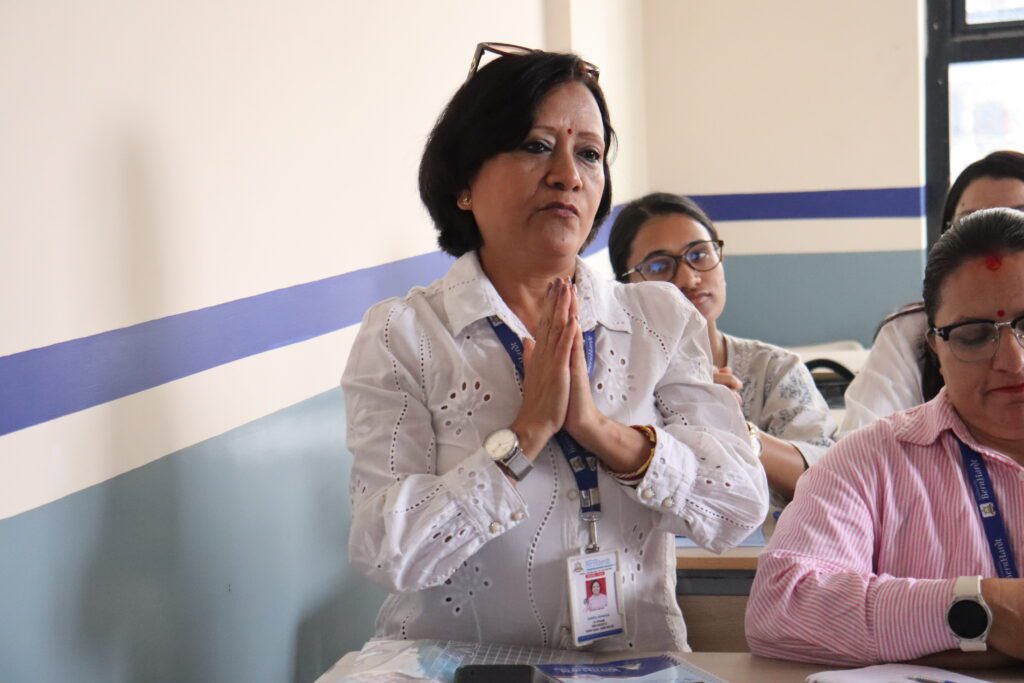
One of the most remarkable aspects of the training was the enthusiastic participation of teachers. The program created a collaborative learning environment where educators actively engaged in discussions, shared their experiences, and reflected on their current practices.
Teachers contributed by:
- Sharing classroom challenges and solutions
- Reflecting on their teaching methodologies
- Discussing best practices with peers
- Exploring new ideas for improving student engagement
This exchange of ideas not only enriched the learning experience but also fostered a strong sense of professional community among teachers. It highlighted the importance of continuous learning and collaboration in achieving educational excellence.
Wrap-Up Session and Key Takeaways
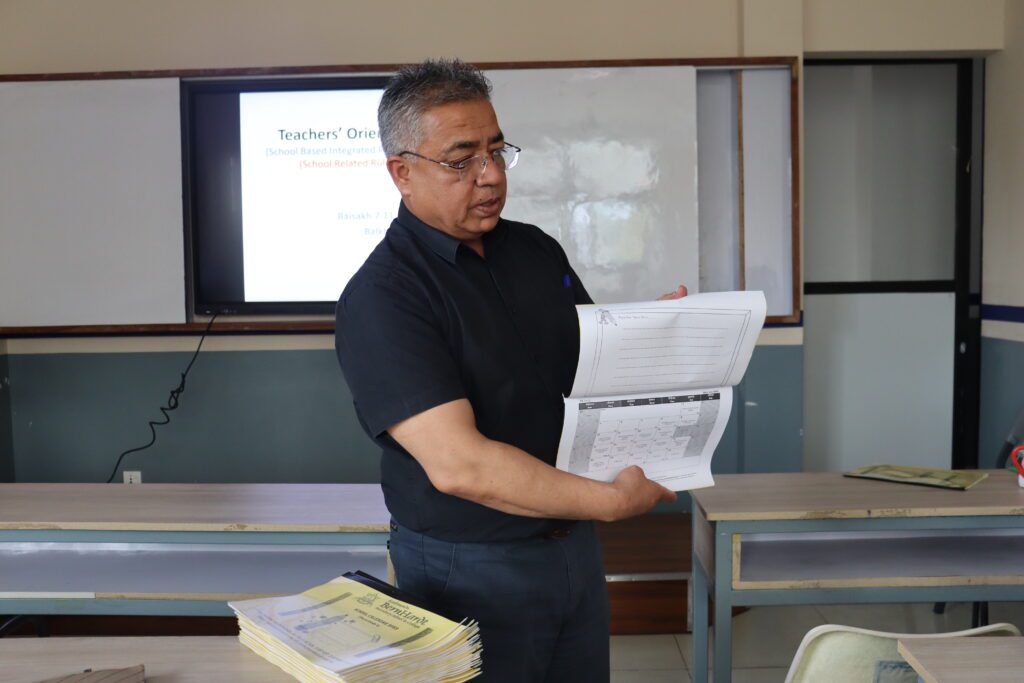
The training program concluded with a meaningful wrap-up session led by Vice Principal Mr. Shiv Ram Rijal. His concluding remarks played a crucial role in summarizing the entire training and connecting it with future implementation.
During the session, he:
- Highlighted the key insights and takeaways from the training
- Emphasized the importance of applying learned strategies in real classrooms
- Provided a clear roadmap for in-house academic preparation
- Encouraged teachers to remain committed to continuous improvement
The wrap-up session ensured that the training was not just a one-time event but a stepping stone toward long-term academic enhancement.
Outcomes and Impact
The School Based Integrated Planning & Training 2083 proved to be highly effective and impactful. The outcomes of the program can be seen in several areas:
- Improved Teaching Strategies: Teachers are now better equipped with modern pedagogical tools and techniques.
- Enhanced Classroom Planning: Structured and integrated planning approaches will lead to more organized and effective lessons.
- Increased Teacher Confidence: Educators feel more confident in experimenting with new teaching methods.
- Better Student Engagement: The focus on student-centered learning will result in more interactive and engaging classrooms.
Overall, the training has significantly strengthened the teaching capacity of Kathmandu Bernhardt’s faculty.
Future Implementation
A key strength of the training program lies in its focus on practical implementation. The insights and strategies gained during the sessions will be directly applied in the upcoming academic session.
The future implementation plan includes:
- Integrating modern teaching methodologies into daily classroom practices
- Conducting in-house academic planning sessions
- Encouraging continuous reflection and improvement among teachers
- Monitoring and evaluating the effectiveness of new strategies
This forward-looking approach ensures that the benefits of the training will have a lasting impact on both teachers and students.
Conclusion
The School Based Integrated Planning & Training 2083 stands as a testament to Kathmandu Bernhardt’s dedication to quality education and professional growth. By combining strategic planning with innovative pedagogy, the program has successfully prepared teachers to meet the challenges of modern education.
With expert guidance from Mr. Nab Raj Adhikari and strong leadership from Vice Principal Mr. Shiv Ram Rijal, the training has created a clear path toward improved classroom practices and better learning outcomes.
As Kathmandu Bernhardt continues to invest in teacher development, it reinforces its mission to provide a dynamic, engaging, and future-ready learning environment for students.
Join Kathmandu Bernhardt
If you are looking for an institution that prioritizes quality education, innovative teaching, and continuous improvement, Kathmandu Bernhardt Secondary School & College is the ideal choice.
Be a part of a learning community that grows together.
Contact us today to learn more about our programs and admissions.
FAQ : FAQ (Frequently Asked Questions)
For more information: https://bernhardt.edu.np/